While watering and mowing are a few crucial steps to growing a luscious green lawn, protecting your grass is also wildly important. The most commonly forgotten step to protecting your lawn is safeguarding the high-traffic areas of your front and back yard.
 Think about the common foot pathways you take around your yard. Do you take a shortcut through your front yard to check the mail? Do you take the same stroll to your garden to water your plants and harvest crops? Did you create an amazing firepit or grilling area? Do your kids sprint in the same direction to get to the swing or your swimming pool? This frequent and repeated foot traffic to and from can result in compaction and damage to the blades of grass — ultimately, reducing the appearance of a desired luscious and green lawn.
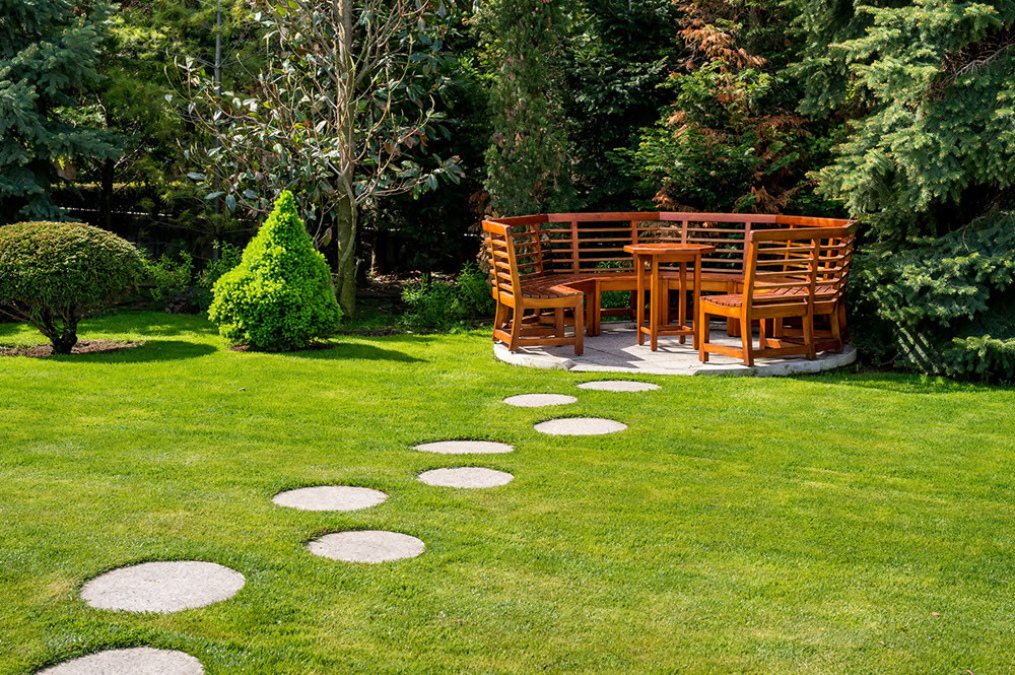
To combat the damage caused by high-traffic areas, consider creating designated pathways to the frequented areas of your lawn. This can be done by laying stepping stones, sidewalks, or gravel walkways.
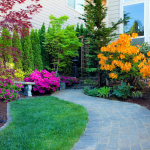
The possibilities are endless when designing new walkways for your yard. Whether you go minimalistic and simple with stepping stones or construct walkways lined with plants and edgestones, rest assured that the pathways will extend the livelihood and appearance of your grass. Bonus — not only will it help protect your lawn, but it will also boost your home’s curb appeal and add some pizazz to your yard!
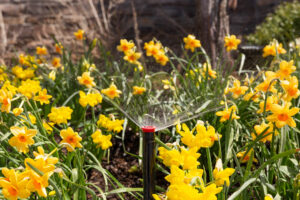
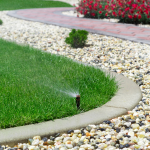 Add another layer of protection by installing an automatic irrigation system. Save time, water, and money, and avoid underwatering or overwatering your lawn. The pros at Sprinkler Irrigation Services will handle it all. Our professional irrigation contractors will map out the best sprinkler layout, leaving every inch of your yard well-tended. After installation, their job isn’t over! Our consultants will work with you to develop a customized maintenance plan that fits your needs. Pre-season tests, spring turn-on, re-programming, wear and tear repair, and winterization to name a few — we’re here to help!
Read more about the benefits of an automatic irrigation system on our blog.
Request a service or call us today — (402) 312-8933!