Benefits of an Automatic Irrigation System
Automatic Irrigation Systems save you time, effort, and money. Read more about the benefits of an automatic irrigation system.
Home » benefits of an automatic irrigation system

Automatic Irrigation Systems save you time, effort, and money. Read more about the benefits of an automatic irrigation system.
Automatic irrigation systems are designed to deliver water to plants and landscapes efficiently, ensuring optimal growth while conserving resources. These systems utilize timers and sensors to automate the watering process, making it easier for homeowners and businesses to maintain their gardens and lawns.
For instance, a smart irrigation system can adjust watering schedules based on weather conditions, reducing water waste and promoting healthier plants. By integrating technology, these systems not only save time but also enhance the overall sustainability of landscaping practices.
Investing in an automatic irrigation system can lead to significant cost savings over time. By optimizing water usage and minimizing labor efforts, users often find that the initial investment pays off through reduced water bills and lower maintenance costs.
According to industry studies, homeowners can save up to 50% on their water bills when using a properly installed automatic irrigation system. Additionally, these systems require less manual labor, allowing homeowners to allocate their time to other important tasks.
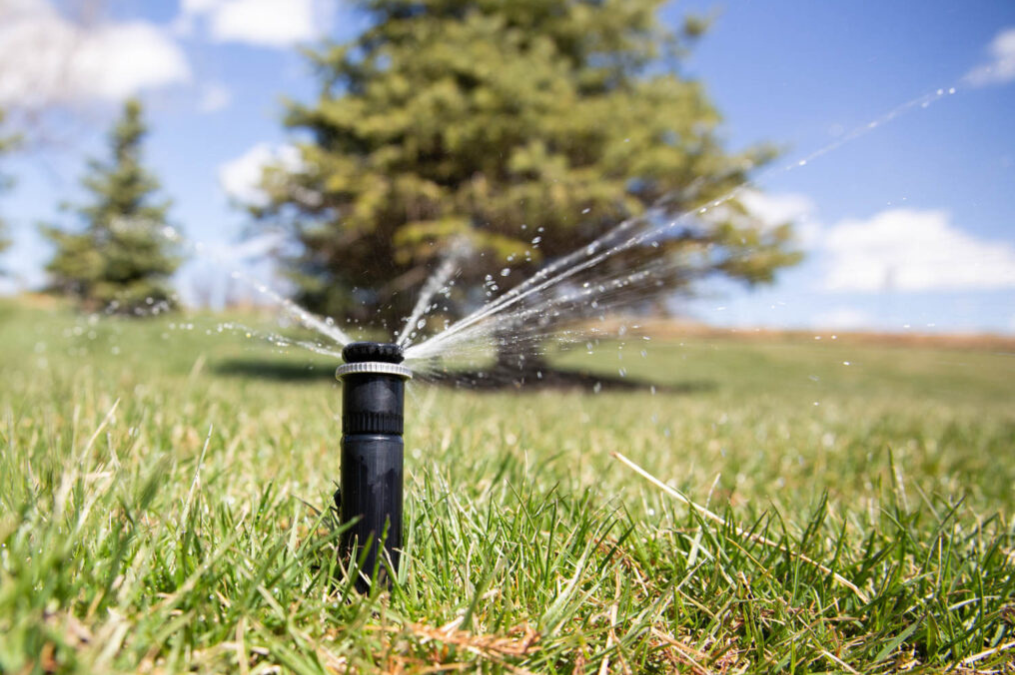
There are various types of automatic irrigation systems available, each tailored to meet specific needs and preferences. Common types include drip irrigation, sprinkler systems, and soaker hoses, each offering unique benefits for different landscapes.
For example, drip irrigation is highly efficient for garden beds and potted plants, delivering water directly to the roots and minimizing evaporation. On the other hand, sprinkler systems are ideal for larger lawns and can be adjusted to cover varying areas, ensuring comprehensive coverage for diverse plant types.
Proper maintenance of automatic irrigation systems is crucial for their longevity and efficiency. Regular checks for leaks, clogs, and system functionality can prevent costly repairs and ensure optimal performance throughout the watering season.
Homeowners should schedule seasonal maintenance, including inspecting and cleaning filters, adjusting spray patterns, and testing timers. By investing a little time into maintenance, users can ensure their systems operate effectively, providing reliable support for their landscaping needs.
Automatic irrigation systems are designed to deliver water to plants and landscapes efficiently, ensuring optimal growth while conserving resources. These systems utilize timers and sensors to automate the watering process, making it easier for homeowners and businesses to maintain their gardens and lawns.
For instance, a smart irrigation system can adjust watering schedules based on weather conditions, reducing water waste and promoting healthier plants. By integrating technology, these systems not only save time but also enhance the overall sustainability of landscaping practices.
Investing in an automatic irrigation system can lead to significant cost savings over time. By optimizing water usage and minimizing labor efforts, users often find that the initial investment pays off through reduced water bills and lower maintenance costs.
According to industry studies, homeowners can save up to 50% on their water bills when using a properly installed automatic irrigation system. Additionally, these systems require less manual labor, allowing homeowners to allocate their time to other important tasks.
There are various types of automatic irrigation systems available, each tailored to meet specific needs and preferences. Common types include drip irrigation, sprinkler systems, and soaker hoses, each offering unique benefits for different landscapes.
For example, drip irrigation is highly efficient for garden beds and potted plants, delivering water directly to the roots and minimizing evaporation. On the other hand, sprinkler systems are ideal for larger lawns and can be adjusted to cover varying areas, ensuring comprehensive coverage for diverse plant types.
Proper maintenance of automatic irrigation systems is crucial for their longevity and efficiency. Regular checks for leaks, clogs, and system functionality can prevent costly repairs and ensure optimal performance throughout the watering season.
Homeowners should schedule seasonal maintenance, including inspecting and cleaning filters, adjusting spray patterns, and testing timers. By investing a little time into maintenance, users can ensure their systems operate effectively, providing reliable support for their landscaping needs.