Sprinkler Systems
Frequently Asked Questions
[vc_row][vc_column][vc_toggle title=”Why do I need a sprinkler system or service from Sprinkler & Irrigation Services?”]The pros of purchasing an automatic
Home » FAQs
[vc_row][vc_column][vc_toggle title=”Why do I need a sprinkler system or service from Sprinkler & Irrigation Services?”]The pros of purchasing an automatic
Installing a sprinkler system offers numerous advantages for maintaining a healthy and vibrant landscape. It automates the watering process, ensuring that plants receive the right amount of water at the optimal times, which can lead to healthier growth and reduced water waste.
Moreover, a well-designed sprinkler system can save homeowners time and effort, eliminating the need for manual watering. Studies show that automated systems can reduce water usage by up to 30%, making them an environmentally friendly choice that can also lower utility bills.
Sprinkler systems can experience various issues that may affect their performance, such as clogged nozzles, broken pipes, or malfunctioning timers. Identifying and addressing these problems promptly is essential to ensure efficient watering and prevent damage to your landscape.
For instance, a clogged nozzle can lead to uneven watering, resulting in dry patches or overwatered areas. Regular maintenance and inspections can help mitigate these issues, ensuring your sprinkler system operates smoothly throughout the watering season.
Regular maintenance is crucial for keeping your sprinkler system in optimal condition. This includes checking for leaks, adjusting sprinkler heads, and ensuring that timers are set correctly according to seasonal changes.
Homeowners should also consider winterizing their systems to prevent freeze damage in colder climates. This involves draining the system and insulating exposed pipes, which can extend the lifespan of the equipment and maintain its efficiency.
Selecting the appropriate sprinkler system depends on various factors, including the size of your lawn, the types of plants you have, and your budget. Understanding your specific watering needs will help you make an informed decision.
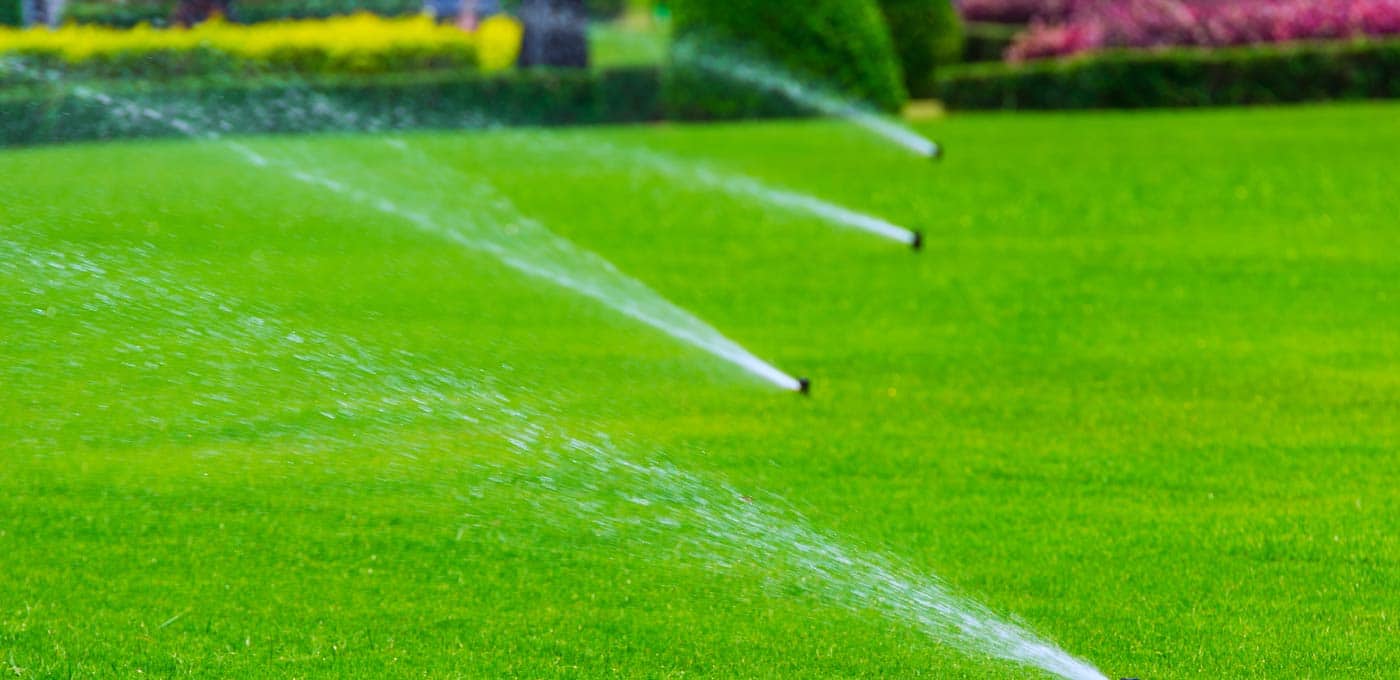
For example, drip irrigation systems are ideal for gardens with delicate plants, while pop-up sprinklers are better suited for larger lawns. Consulting with a professional can provide valuable insights into the best options for your landscape and ensure proper installation.
Installing a sprinkler system offers numerous advantages for maintaining a healthy and vibrant landscape. It automates the watering process, ensuring that plants receive the right amount of water at the optimal times, which can lead to healthier growth and reduced water waste.
Moreover, a well-designed sprinkler system can save homeowners time and effort, eliminating the need for manual watering. Studies show that automated systems can reduce water usage by up to 30%, making them an environmentally friendly choice that can also lower utility bills.
Sprinkler systems can experience various issues that may affect their performance, such as clogged nozzles, broken pipes, or malfunctioning timers. Identifying and addressing these problems promptly is essential to ensure efficient watering and prevent damage to your landscape.
For instance, a clogged nozzle can lead to uneven watering, resulting in dry patches or overwatered areas. Regular maintenance and inspections can help mitigate these issues, ensuring your sprinkler system operates smoothly throughout the watering season.
Regular maintenance is crucial for keeping your sprinkler system in optimal condition. This includes checking for leaks, adjusting sprinkler heads, and ensuring that timers are set correctly according to seasonal changes.
Homeowners should also consider winterizing their systems to prevent freeze damage in colder climates. This involves draining the system and insulating exposed pipes, which can extend the lifespan of the equipment and maintain its efficiency.
Selecting the appropriate sprinkler system depends on various factors, including the size of your lawn, the types of plants you have, and your budget. Understanding your specific watering needs will help you make an informed decision.
For example, drip irrigation systems are ideal for gardens with delicate plants, while pop-up sprinklers are better suited for larger lawns. Consulting with a professional can provide valuable insights into the best options for your landscape and ensure proper installation.