De-winterize for Spring
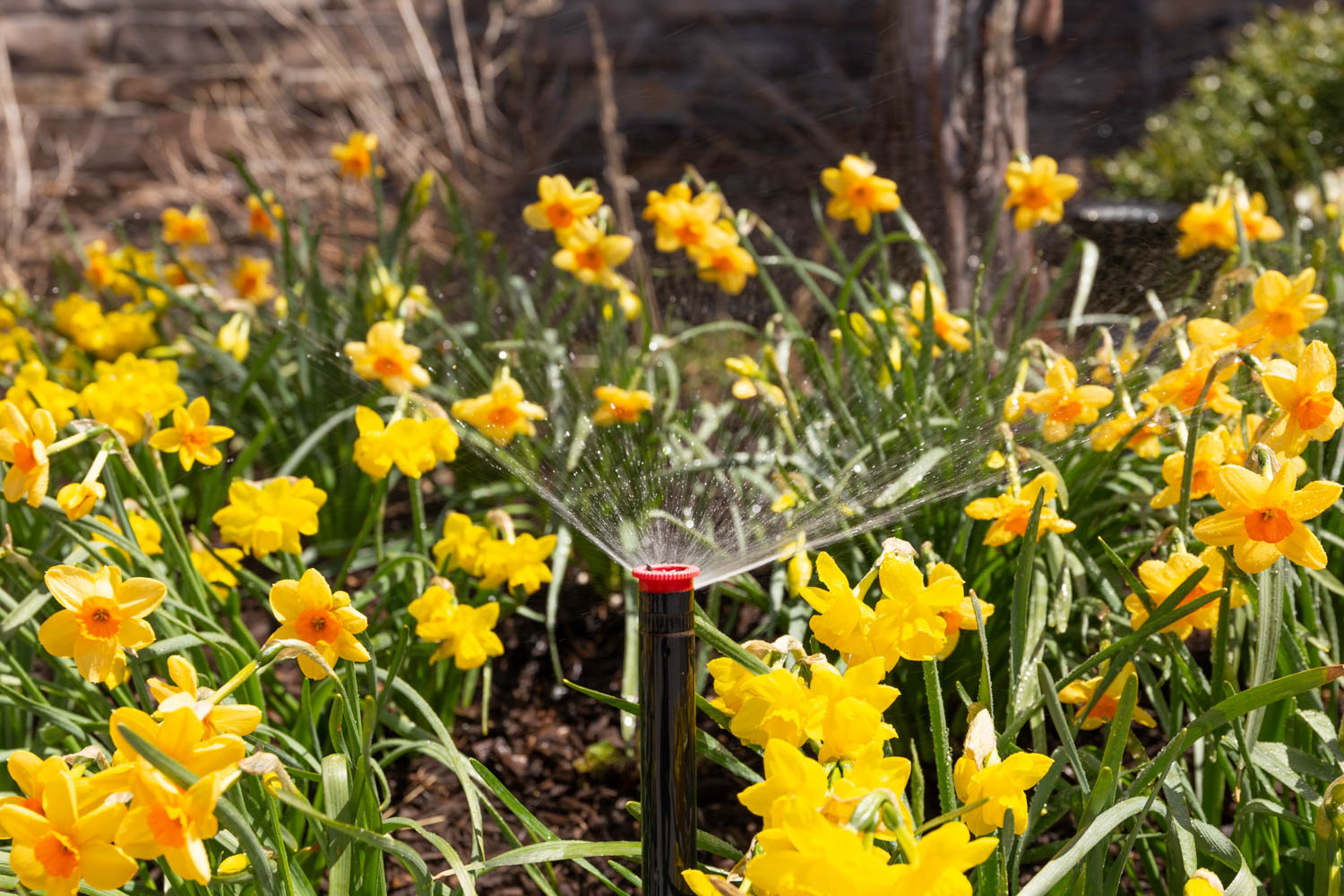
Spring has sprung, the weather is getting warmer, the grass is getting greener, and plants are beginning to bloom –
Home » How-to

Spring has sprung, the weather is getting warmer, the grass is getting greener, and plants are beginning to bloom –
To effectively maintain your sprinkler system, having the right tools is crucial. Essential tools include a wrench for adjusting fittings, a screwdriver for securing connections, and a pressure gauge to monitor system performance. These tools help ensure that your irrigation system operates efficiently and can be easily repaired when necessary.
For instance, a pressure gauge allows you to check if your system is functioning within the optimal pressure range, which is vital for efficient water distribution. Additionally, investing in quality tools can save you time and money in the long run by preventing minor issues from escalating into costly repairs.
Understanding common issues that can arise with sprinkler systems can help you address problems quickly and effectively. Common issues include clogged nozzles, uneven water distribution, and leaks in the system. Being aware of these potential problems allows you to troubleshoot and maintain your system proactively.
For example, if you notice dry patches in your lawn, it could be due to clogged nozzles. Regular maintenance, such as cleaning the nozzles and checking for leaks, can prevent these issues and ensure your system operates smoothly throughout the watering season.
Adjusting your sprinkler system seasonally is essential to accommodate changing weather conditions and plant needs. In the spring, you may need to increase watering frequency as temperatures rise and plants begin to grow. Conversely, in the fall, reducing watering can help prepare your landscape for winter dormancy.
For instance, during the hot summer months, you might want to set your system to water early in the morning or late in the evening to minimize evaporation. Keeping track of seasonal adjustments helps in conserving water and maintaining a healthy landscape throughout the year.
Selecting the appropriate irrigation system is vital for effective landscape management. Factors to consider include the size of your property, the types of plants, and local climate conditions. Drip irrigation systems are ideal for gardens with a variety of plants, while sprinkler systems work well for larger lawns.
For example, if you have a vegetable garden, a drip irrigation system can deliver water directly to the roots, reducing waste and promoting healthier growth. Understanding your landscape's specific needs will enable you to choose the most efficient and effective irrigation solution.
To effectively maintain your sprinkler system, having the right tools is crucial. Essential tools include a wrench for adjusting fittings, a screwdriver for securing connections, and a pressure gauge to monitor system performance. These tools help ensure that your irrigation system operates efficiently and can be easily repaired when necessary.
For instance, a pressure gauge allows you to check if your system is functioning within the optimal pressure range, which is vital for efficient water distribution. Additionally, investing in quality tools can save you time and money in the long run by preventing minor issues from escalating into costly repairs.
Understanding common issues that can arise with sprinkler systems can help you address problems quickly and effectively. Common issues include clogged nozzles, uneven water distribution, and leaks in the system. Being aware of these potential problems allows you to troubleshoot and maintain your system proactively.
For example, if you notice dry patches in your lawn, it could be due to clogged nozzles. Regular maintenance, such as cleaning the nozzles and checking for leaks, can prevent these issues and ensure your system operates smoothly throughout the watering season.
Adjusting your sprinkler system seasonally is essential to accommodate changing weather conditions and plant needs. In the spring, you may need to increase watering frequency as temperatures rise and plants begin to grow. Conversely, in the fall, reducing watering can help prepare your landscape for winter dormancy.
For instance, during the hot summer months, you might want to set your system to water early in the morning or late in the evening to minimize evaporation. Keeping track of seasonal adjustments helps in conserving water and maintaining a healthy landscape throughout the year.
Selecting the appropriate irrigation system is vital for effective landscape management. Factors to consider include the size of your property, the types of plants, and local climate conditions. Drip irrigation systems are ideal for gardens with a variety of plants, while sprinkler systems work well for larger lawns.
For example, if you have a vegetable garden, a drip irrigation system can deliver water directly to the roots, reducing waste and promoting healthier growth. Understanding your landscape's specific needs will enable you to choose the most efficient and effective irrigation solution.