
Tips
Mosquito-Repelling Plants
Mosquitoes, those tiny buzzing insects that are a common nuisance in many parts of the world, can not only ruin
Home » mosquito-repelling plants
Mosquitoes, those tiny buzzing insects that are a common nuisance in many parts of the world, can not only ruin
Mosquito-repelling plants offer a natural and sustainable approach to pest control, making them an attractive option for homeowners. These plants not only deter mosquitoes but also enhance the aesthetic appeal of gardens and outdoor spaces.
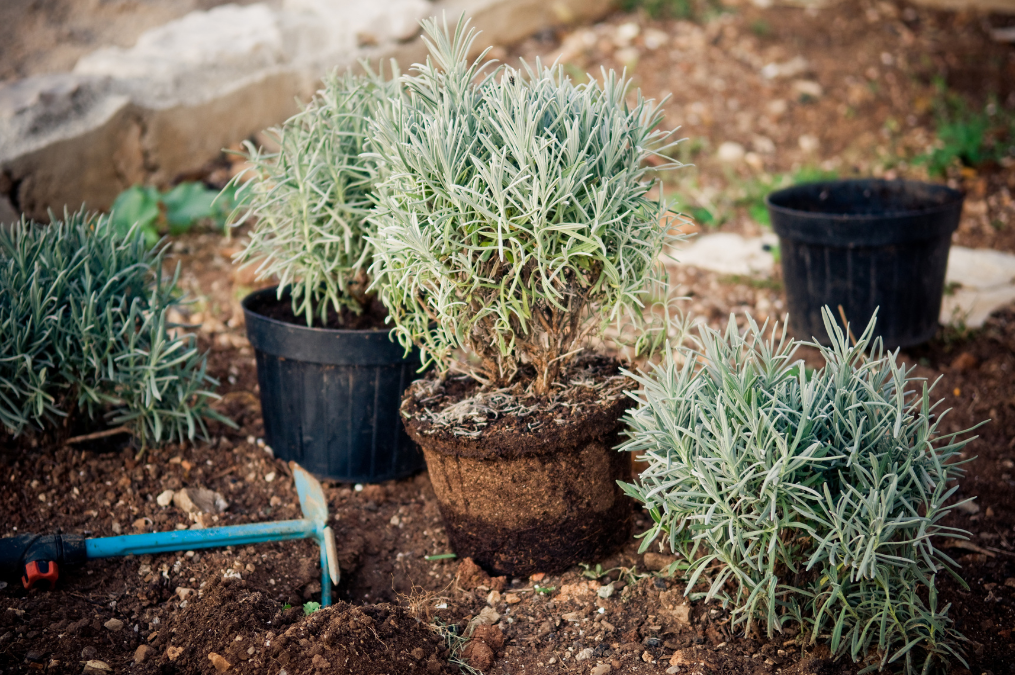
For instance, plants like citronella, lavender, and marigolds emit scents that are unpleasant to mosquitoes, effectively keeping them at bay. Incorporating these plants into your landscape can reduce the need for chemical repellents, promoting a healthier environment for families and pets.
When selecting mosquito-repelling plants, it's essential to choose varieties that thrive in your local climate. Some of the most effective options include lemon balm, catnip, and basil, all known for their mosquito-repelling properties.
These plants can be easily integrated into existing gardens or planted in pots for versatility. For example, lemon balm can be grown in sunny spots, while basil thrives in warmer temperatures, making them practical choices for various garden settings.
Incorporating mosquito-repelling plants into your garden requires strategic planning to maximize their effectiveness. Planting these species in clusters near seating areas or patios can create a natural barrier against mosquitoes.
Additionally, maintaining healthy plants through regular watering and pruning will enhance their scent and pest-repelling capabilities. Consider companion planting, where these plants are grown alongside others to improve overall garden health and deter pests more effectively.
While mosquito-repelling plants are a valuable component of a natural pest control strategy, combining them with other methods can yield even better results. Techniques such as installing birdhouses or bat boxes can attract natural predators that help control mosquito populations.
Moreover, creating a water feature like a pond can support beneficial wildlife, but it is crucial to manage standing water to prevent mosquito breeding. By integrating various natural methods, homeowners can effectively reduce mosquito presence while fostering a balanced ecosystem.
Mosquito-repelling plants offer a natural and sustainable approach to pest control, making them an attractive option for homeowners. These plants not only deter mosquitoes but also enhance the aesthetic appeal of gardens and outdoor spaces.
For instance, plants like citronella, lavender, and marigolds emit scents that are unpleasant to mosquitoes, effectively keeping them at bay. Incorporating these plants into your landscape can reduce the need for chemical repellents, promoting a healthier environment for families and pets.
When selecting mosquito-repelling plants, it's essential to choose varieties that thrive in your local climate. Some of the most effective options include lemon balm, catnip, and basil, all known for their mosquito-repelling properties.
These plants can be easily integrated into existing gardens or planted in pots for versatility. For example, lemon balm can be grown in sunny spots, while basil thrives in warmer temperatures, making them practical choices for various garden settings.
Incorporating mosquito-repelling plants into your garden requires strategic planning to maximize their effectiveness. Planting these species in clusters near seating areas or patios can create a natural barrier against mosquitoes.
Additionally, maintaining healthy plants through regular watering and pruning will enhance their scent and pest-repelling capabilities. Consider companion planting, where these plants are grown alongside others to improve overall garden health and deter pests more effectively.
While mosquito-repelling plants are a valuable component of a natural pest control strategy, combining them with other methods can yield even better results. Techniques such as installing birdhouses or bat boxes can attract natural predators that help control mosquito populations.
Moreover, creating a water feature like a pond can support beneficial wildlife, but it is crucial to manage standing water to prevent mosquito breeding. By integrating various natural methods, homeowners can effectively reduce mosquito presence while fostering a balanced ecosystem.