
Tips
Mosquito-Repelling Plants
Mosquitoes, those tiny buzzing insects that are a common nuisance in many parts of the world, can not only ruin
Home » mosquitoes
Mosquitoes, those tiny buzzing insects that are a common nuisance in many parts of the world, can not only ruin
To effectively repel mosquitoes, it's essential to understand their behavior and breeding patterns. Mosquitoes are attracted to certain environmental factors, such as standing water, body heat, and carbon dioxide. Recognizing these aspects can help in implementing better control measures.
For instance, female mosquitoes lay their eggs in stagnant water, making it crucial to eliminate any sources of standing water around your property. Additionally, they are most active during dawn and dusk, which is when you should take extra precautions against their bites.
Beyond planting mosquito-repelling plants, there are various effective methods for controlling mosquito populations. Integrated Pest Management (IPM) combines biological, mechanical, and chemical strategies to minimize mosquito presence while being environmentally conscious.
For example, using larvicides in water sources can target mosquito larvae without harming other wildlife. Additionally, employing natural predators, such as bats and dragonflies, can help keep mosquito numbers in check while promoting a balanced ecosystem.
Utilizing natural pest control methods, such as planting specific flora, offers numerous benefits over chemical alternatives. These methods are often safer for the environment, local wildlife, and human health, making them an attractive option for homeowners.
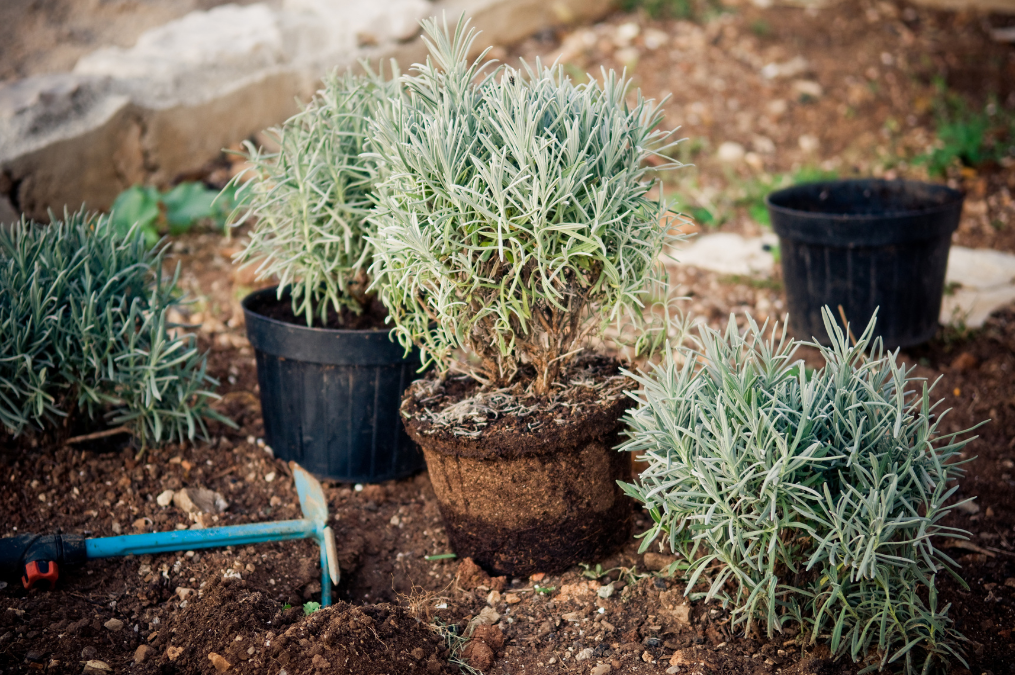
Plants like citronella, lavender, and marigolds not only deter mosquitoes but also enhance the aesthetic appeal of your garden. Moreover, these plants can attract beneficial insects, further contributing to a healthier ecosystem around your home.
Understanding local regulations regarding pest control is vital for ensuring compliance and effective management of mosquito populations. Many areas have specific guidelines on the use of pesticides and other control measures to protect public health and the environment.
For instance, some municipalities may restrict the use of certain chemicals during peak mosquito seasons or require permits for large-scale spraying. Staying informed about these regulations can help you choose the best methods for mosquito control while adhering to local laws.
To effectively repel mosquitoes, it's essential to understand their behavior and breeding patterns. Mosquitoes are attracted to certain environmental factors, such as standing water, body heat, and carbon dioxide. Recognizing these aspects can help in implementing better control measures.
For instance, female mosquitoes lay their eggs in stagnant water, making it crucial to eliminate any sources of standing water around your property. Additionally, they are most active during dawn and dusk, which is when you should take extra precautions against their bites.
Beyond planting mosquito-repelling plants, there are various effective methods for controlling mosquito populations. Integrated Pest Management (IPM) combines biological, mechanical, and chemical strategies to minimize mosquito presence while being environmentally conscious.
For example, using larvicides in water sources can target mosquito larvae without harming other wildlife. Additionally, employing natural predators, such as bats and dragonflies, can help keep mosquito numbers in check while promoting a balanced ecosystem.
Utilizing natural pest control methods, such as planting specific flora, offers numerous benefits over chemical alternatives. These methods are often safer for the environment, local wildlife, and human health, making them an attractive option for homeowners.
Plants like citronella, lavender, and marigolds not only deter mosquitoes but also enhance the aesthetic appeal of your garden. Moreover, these plants can attract beneficial insects, further contributing to a healthier ecosystem around your home.
Understanding local regulations regarding pest control is vital for ensuring compliance and effective management of mosquito populations. Many areas have specific guidelines on the use of pesticides and other control measures to protect public health and the environment.
For instance, some municipalities may restrict the use of certain chemicals during peak mosquito seasons or require permits for large-scale spraying. Staying informed about these regulations can help you choose the best methods for mosquito control while adhering to local laws.