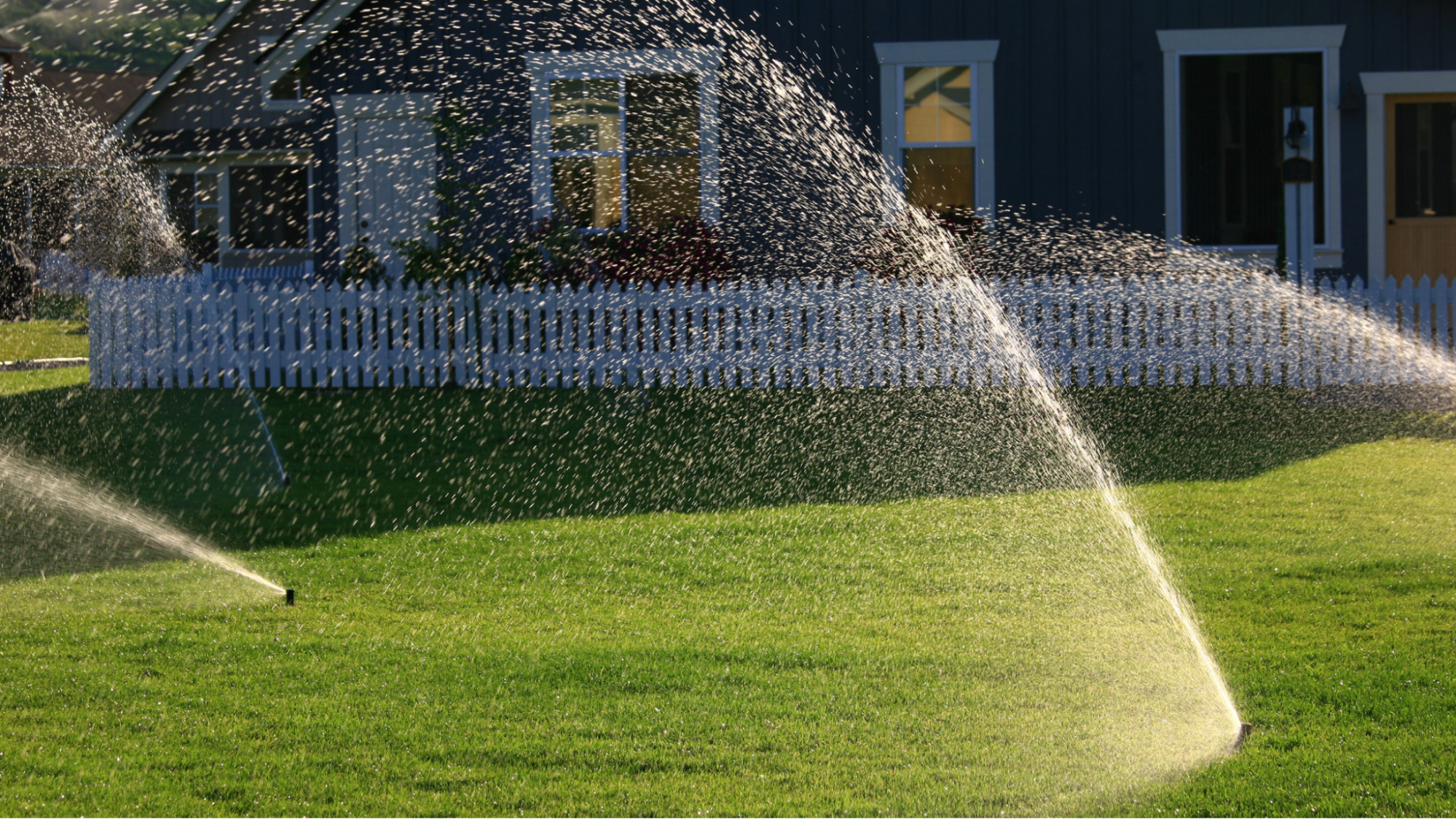
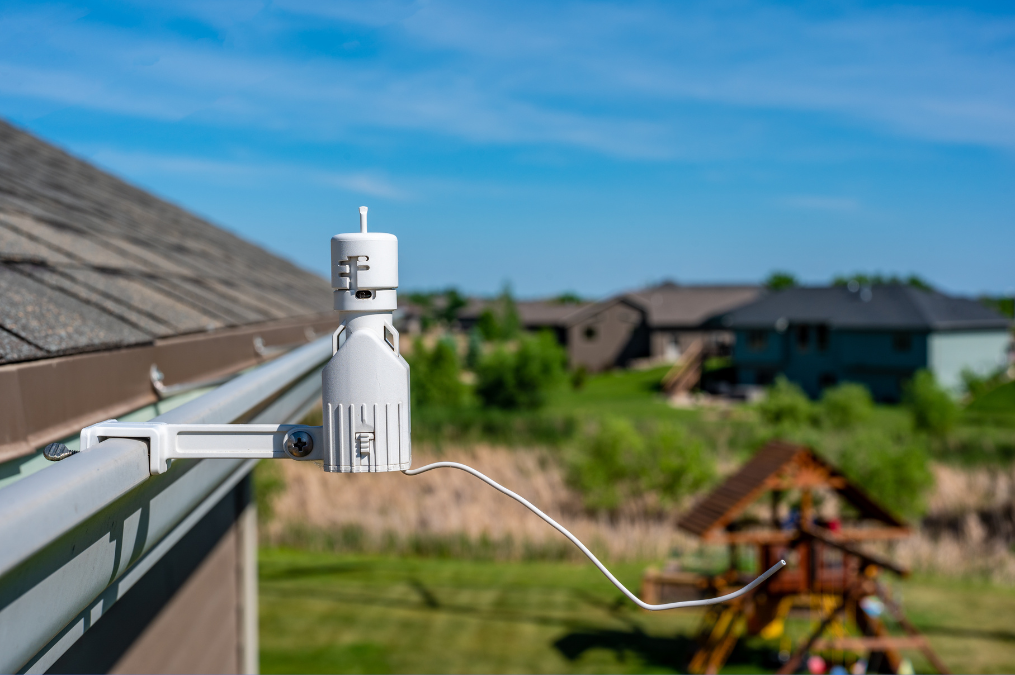
Rain sensors are essential components of modern irrigation systems, offering numerous benefits that enhance water efficiency and promote healthier lawns. By detecting rainfall, these sensors automatically adjust sprinkler operation, preventing overwatering and conserving water resources.
For instance, studies have shown that homes equipped with rain sensors can reduce water usage by up to 30%. This not only leads to lower water bills but also contributes to sustainable landscaping practices, allowing homeowners to maintain vibrant gardens without unnecessary waste.
How Rain Sensors Work in Irrigation Systems
Rain sensors operate by monitoring moisture levels in the environment. When it rains, the sensor detects the precipitation and sends a signal to the irrigation controller to pause watering until the ground dries sufficiently.
Many advanced rain sensors also feature adjustable settings, allowing users to customize their watering schedules based on local climate conditions. This adaptability ensures that lawns receive the optimal amount of water while minimizing the risk of over-saturation and runoff.
Choosing the Right Rain Sensor for Your Needs
Selecting the appropriate rain sensor involves considering factors such as sensor type, compatibility with existing irrigation systems, and specific features like wireless connectivity. Different models offer various functionalities that cater to diverse landscaping needs.
For example, some rain sensors are designed for residential use, while others are tailored for commercial landscapes. Additionally, features such as smart technology integration can provide users with real-time data and remote control capabilities, enhancing overall irrigation management.
Maintenance Tips for Rain Sensors
Regular maintenance of rain sensors is crucial to ensure their optimal performance and longevity. This includes periodic cleaning, checking for obstructions, and testing the sensor's functionality to confirm accurate readings.
Homeowners should also inspect the wiring and connections, especially after severe weather events, to prevent malfunctions. By following these maintenance tips, users can maximize the efficiency of their irrigation systems and prolong the lifespan of their rain sensors.
Rain sensors are essential components of modern irrigation systems, offering numerous benefits that enhance water efficiency and promote healthier lawns. By detecting rainfall, these sensors automatically adjust sprinkler operation, preventing overwatering and conserving water resources.
For instance, studies have shown that homes equipped with rain sensors can reduce water usage by up to 30%. This not only leads to lower water bills but also contributes to sustainable landscaping practices, allowing homeowners to maintain vibrant gardens without unnecessary waste.
How Rain Sensors Work in Irrigation Systems
Rain sensors operate by monitoring moisture levels in the environment. When it rains, the sensor detects the precipitation and sends a signal to the irrigation controller to pause watering until the ground dries sufficiently.
Many advanced rain sensors also feature adjustable settings, allowing users to customize their watering schedules based on local climate conditions. This adaptability ensures that lawns receive the optimal amount of water while minimizing the risk of over-saturation and runoff.
Choosing the Right Rain Sensor for Your Needs
Selecting the appropriate rain sensor involves considering factors such as sensor type, compatibility with existing irrigation systems, and specific features like wireless connectivity. Different models offer various functionalities that cater to diverse landscaping needs.
For example, some rain sensors are designed for residential use, while others are tailored for commercial landscapes. Additionally, features such as smart technology integration can provide users with real-time data and remote control capabilities, enhancing overall irrigation management.
Maintenance Tips for Rain Sensors
Regular maintenance of rain sensors is crucial to ensure their optimal performance and longevity. This includes periodic cleaning, checking for obstructions, and testing the sensor's functionality to confirm accurate readings.
Homeowners should also inspect the wiring and connections, especially after severe weather events, to prevent malfunctions. By following these maintenance tips, users can maximize the efficiency of their irrigation systems and prolong the lifespan of their rain sensors.