De-winterize for Spring
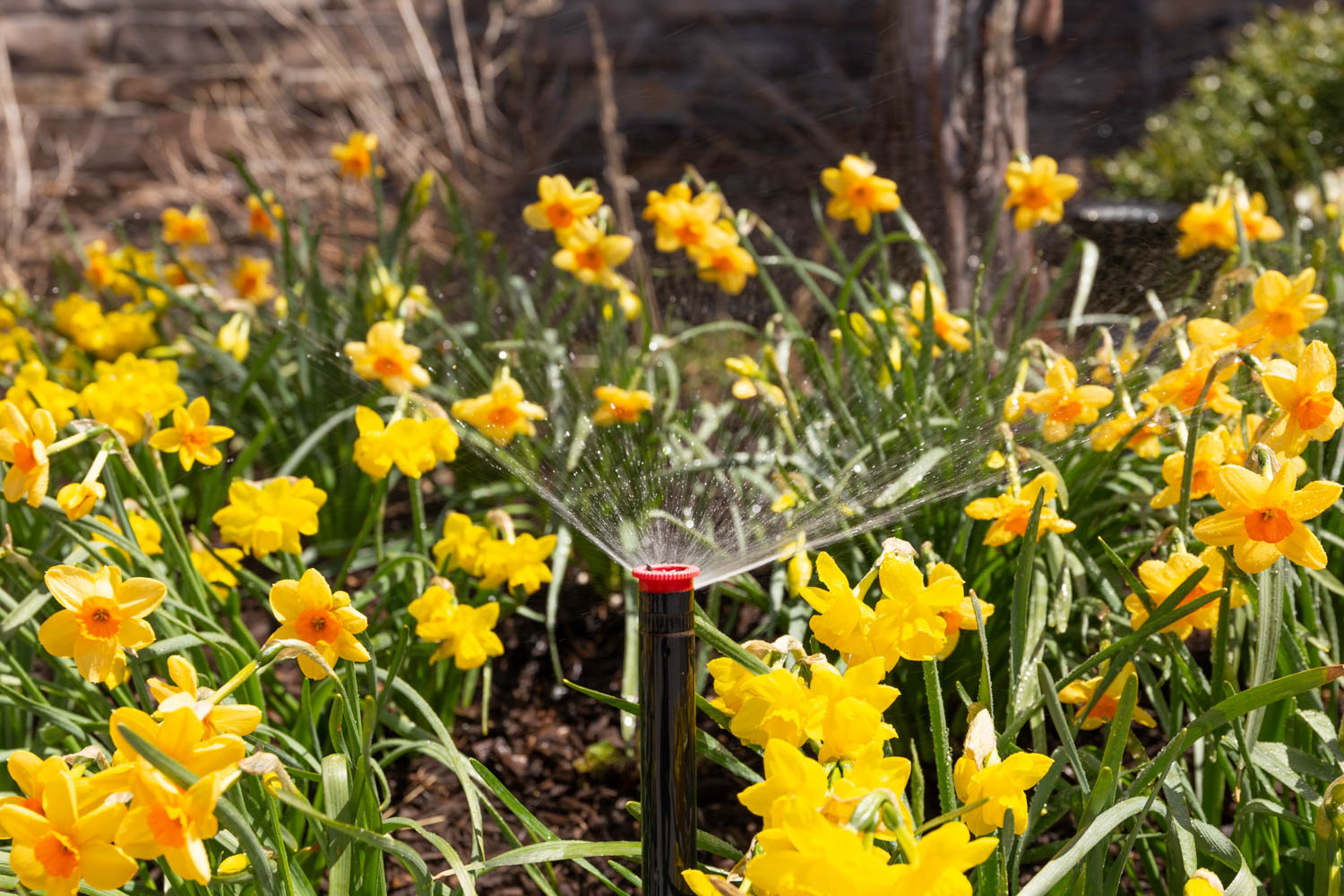
Spring has sprung, the weather is getting warmer, the grass is getting greener, and plants are beginning to bloom –
Home » Spring

Spring has sprung, the weather is getting warmer, the grass is getting greener, and plants are beginning to bloom –
Before activating your sprinkler system for the season, it's essential to perform a thorough inspection and maintenance check. This includes checking for any leaks, ensuring that all sprinkler heads are functioning properly, and confirming that the system is free from debris that could obstruct water flow.
A well-prepared sprinkler system not only ensures efficient watering but also prolongs the lifespan of the equipment. For instance, cleaning the filters and adjusting the sprinkler heads can lead to more effective coverage of your lawn and garden, preventing overwatering or underwatering of plants.
When turning on your sprinkler system for the first time in spring, several common issues may arise, such as broken pipes, malfunctioning valves, or clogged sprinkler heads. Identifying these problems early can save you time and money on repairs later in the season.
For example, if you notice uneven watering patterns, it may indicate that some sprinkler heads are blocked or damaged. Regular maintenance checks can help catch these issues before they lead to larger problems, ensuring that your irrigation system operates smoothly throughout the growing season.
To maximize the efficiency of your irrigation system, consider implementing smart watering practices. This includes scheduling watering times during early morning or late evening to reduce evaporation, as well as adjusting the system based on weather conditions.
Utilizing rain sensors or smart irrigation controllers can further enhance your watering efficiency. These devices automatically adjust watering schedules based on rainfall, ensuring that your landscape receives the optimal amount of water while conserving resources.
A seasonal maintenance checklist is crucial for keeping your irrigation system in top shape. Key tasks include inspecting all components, checking for leaks, adjusting the timing settings, and ensuring that the system is calibrated for the specific needs of your plants.
Additionally, documenting any repairs or adjustments made during maintenance can help you track the system's performance over time. For instance, noting the date of your last filter cleaning or sprinkler head replacement can provide valuable insights for future maintenance needs.
Before activating your sprinkler system for the season, it's essential to perform a thorough inspection and maintenance check. This includes checking for any leaks, ensuring that all sprinkler heads are functioning properly, and confirming that the system is free from debris that could obstruct water flow.
A well-prepared sprinkler system not only ensures efficient watering but also prolongs the lifespan of the equipment. For instance, cleaning the filters and adjusting the sprinkler heads can lead to more effective coverage of your lawn and garden, preventing overwatering or underwatering of plants.
When turning on your sprinkler system for the first time in spring, several common issues may arise, such as broken pipes, malfunctioning valves, or clogged sprinkler heads. Identifying these problems early can save you time and money on repairs later in the season.
For example, if you notice uneven watering patterns, it may indicate that some sprinkler heads are blocked or damaged. Regular maintenance checks can help catch these issues before they lead to larger problems, ensuring that your irrigation system operates smoothly throughout the growing season.
To maximize the efficiency of your irrigation system, consider implementing smart watering practices. This includes scheduling watering times during early morning or late evening to reduce evaporation, as well as adjusting the system based on weather conditions.
Utilizing rain sensors or smart irrigation controllers can further enhance your watering efficiency. These devices automatically adjust watering schedules based on rainfall, ensuring that your landscape receives the optimal amount of water while conserving resources.
A seasonal maintenance checklist is crucial for keeping your irrigation system in top shape. Key tasks include inspecting all components, checking for leaks, adjusting the timing settings, and ensuring that the system is calibrated for the specific needs of your plants.
Additionally, documenting any repairs or adjustments made during maintenance can help you track the system's performance over time. For instance, noting the date of your last filter cleaning or sprinkler head replacement can provide valuable insights for future maintenance needs.