De-winterize for Spring
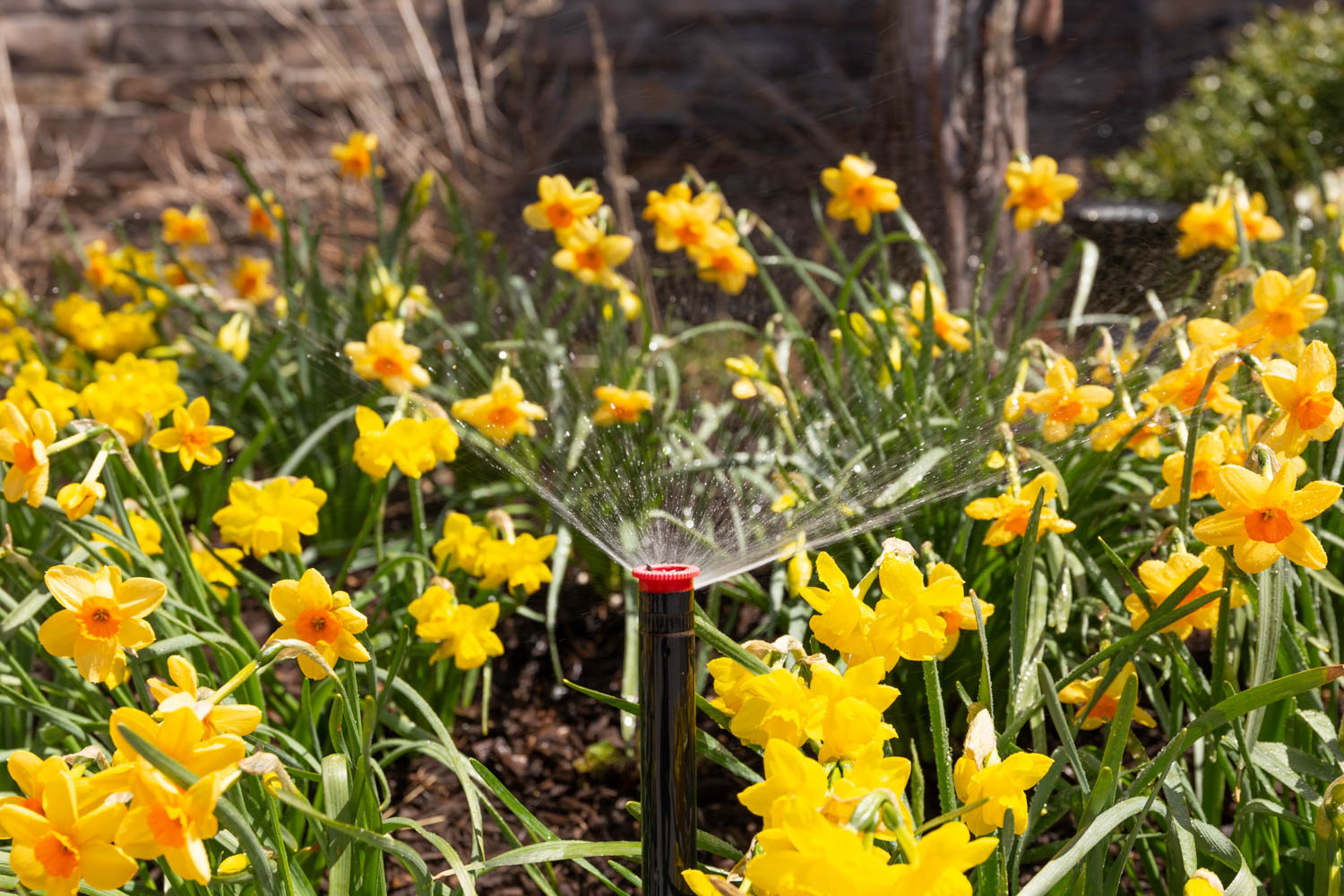
Spring has sprung, the weather is getting warmer, the grass is getting greener, and plants are beginning to bloom –

Home » Springtime

Spring has sprung, the weather is getting warmer, the grass is getting greener, and plants are beginning to bloom –
Preparing your irrigation system for spring is crucial for maintaining a healthy lawn and garden. As the temperatures rise, plants and grass begin to grow actively, necessitating an efficient watering schedule to support their development.
By de-winterizing your sprinkler system, you ensure that all components are functioning optimally. This includes checking for leaks, testing the timers, and adjusting sprinkler heads to ensure even coverage. Proper preparation can prevent water waste and promote healthier plant growth throughout the season.
As you prepare your irrigation system for spring, it's important to be aware of common issues that may arise. These can include clogged sprinkler heads, damaged hoses, or faulty timers that can disrupt your watering schedule.
Identifying these problems early can save you time and money in repairs. Regular maintenance checks and timely repairs can help you avoid larger issues later in the season, ensuring that your irrigation system operates smoothly when your plants need it most.
Efficient water management is essential for sustainable lawn care during the spring. Implementing strategies such as drip irrigation or soaker hoses can significantly reduce water usage while effectively hydrating your plants.
Additionally, consider setting your irrigation system to operate during early mornings or late evenings to minimize evaporation. Monitoring weather forecasts can also help you adjust your watering schedule based on rainfall, ensuring that your garden receives just the right amount of moisture.
Spring is the ideal time to implement lawn care practices that will set the foundation for a lush and healthy landscape. Aeration, fertilization, and overseeding are key practices that can enhance your lawn's resilience and appearance.
These practices not only improve soil health but also promote better water absorption and nutrient uptake. By incorporating these seasonal tasks into your routine, you can significantly boost the vitality of your lawn and create an inviting outdoor space.
Preparing your irrigation system for spring is crucial for maintaining a healthy lawn and garden. As the temperatures rise, plants and grass begin to grow actively, necessitating an efficient watering schedule to support their development.
By de-winterizing your sprinkler system, you ensure that all components are functioning optimally. This includes checking for leaks, testing the timers, and adjusting sprinkler heads to ensure even coverage. Proper preparation can prevent water waste and promote healthier plant growth throughout the season.
As you prepare your irrigation system for spring, it's important to be aware of common issues that may arise. These can include clogged sprinkler heads, damaged hoses, or faulty timers that can disrupt your watering schedule.
Identifying these problems early can save you time and money in repairs. Regular maintenance checks and timely repairs can help you avoid larger issues later in the season, ensuring that your irrigation system operates smoothly when your plants need it most.
Efficient water management is essential for sustainable lawn care during the spring. Implementing strategies such as drip irrigation or soaker hoses can significantly reduce water usage while effectively hydrating your plants.
Additionally, consider setting your irrigation system to operate during early mornings or late evenings to minimize evaporation. Monitoring weather forecasts can also help you adjust your watering schedule based on rainfall, ensuring that your garden receives just the right amount of moisture.
Spring is the ideal time to implement lawn care practices that will set the foundation for a lush and healthy landscape. Aeration, fertilization, and overseeding are key practices that can enhance your lawn's resilience and appearance.
These practices not only improve soil health but also promote better water absorption and nutrient uptake. By incorporating these seasonal tasks into your routine, you can significantly boost the vitality of your lawn and create an inviting outdoor space.