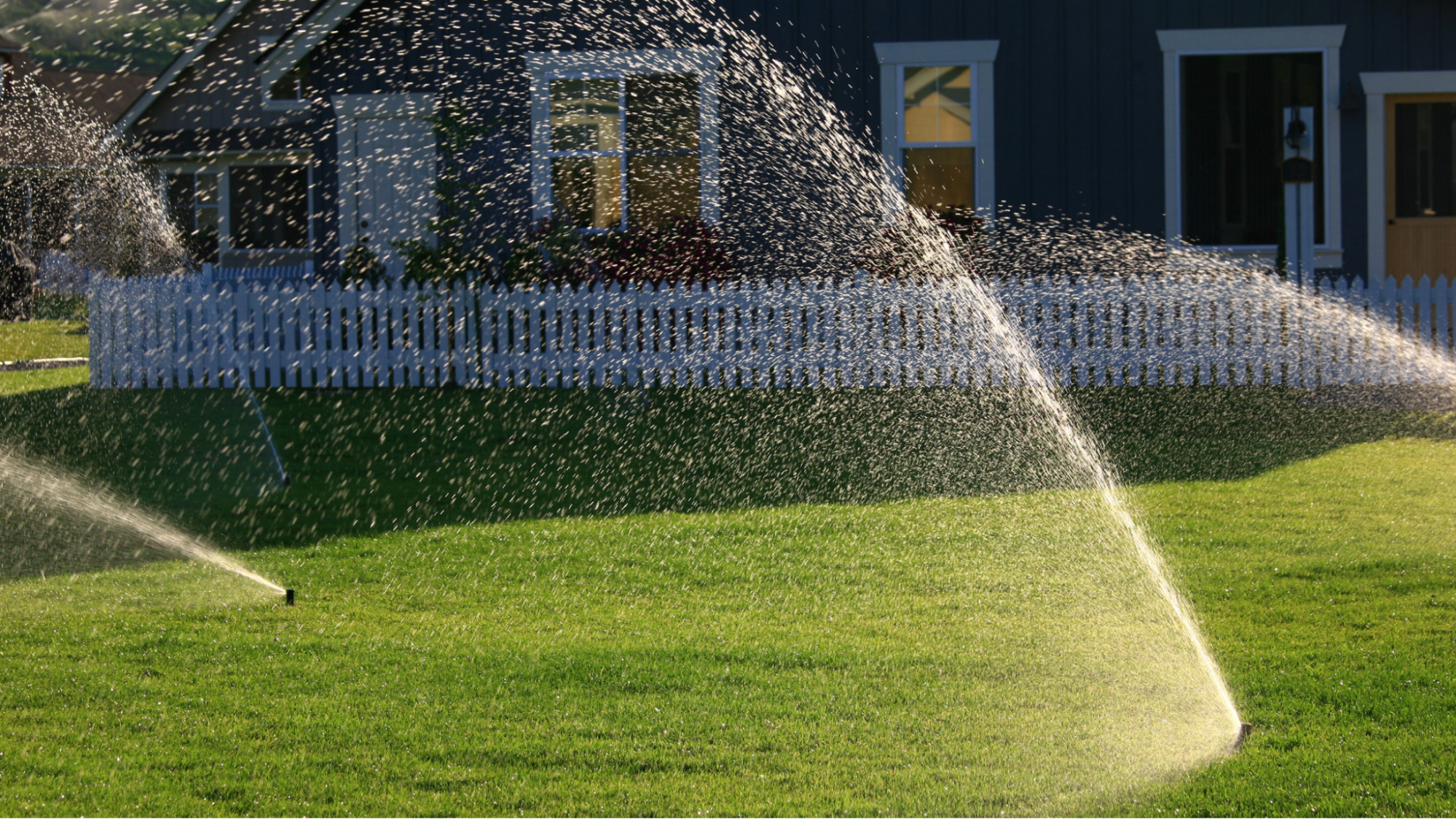
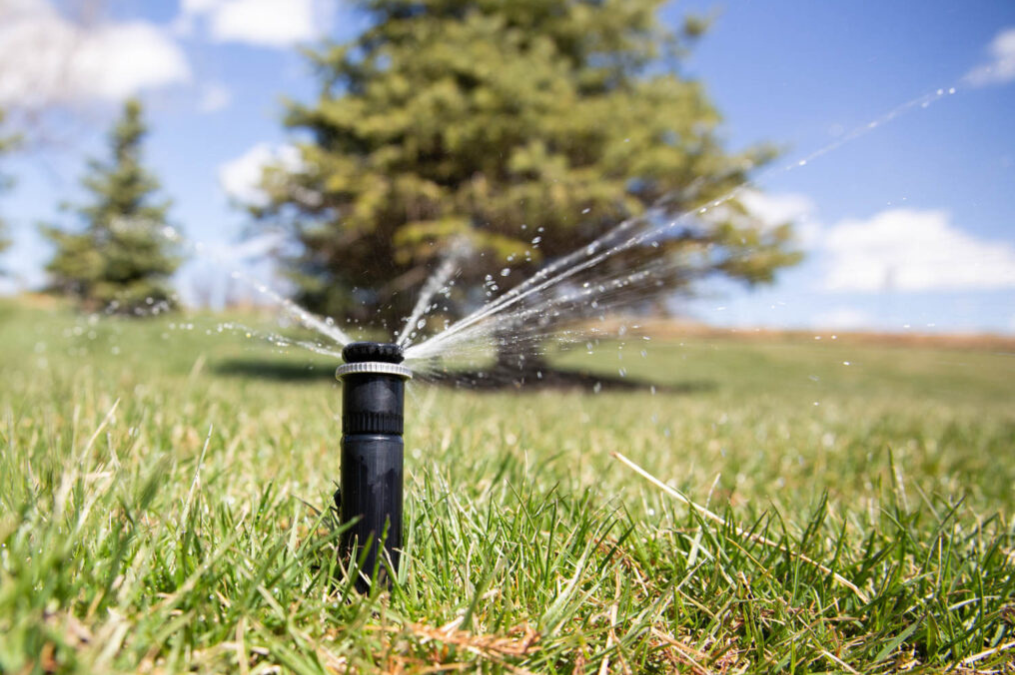
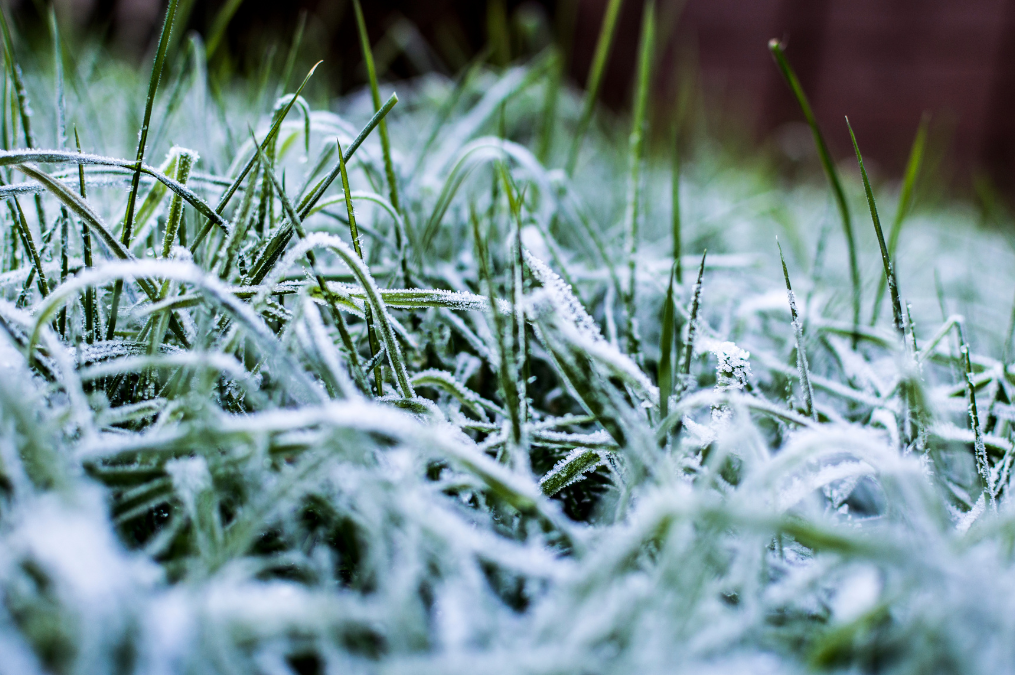
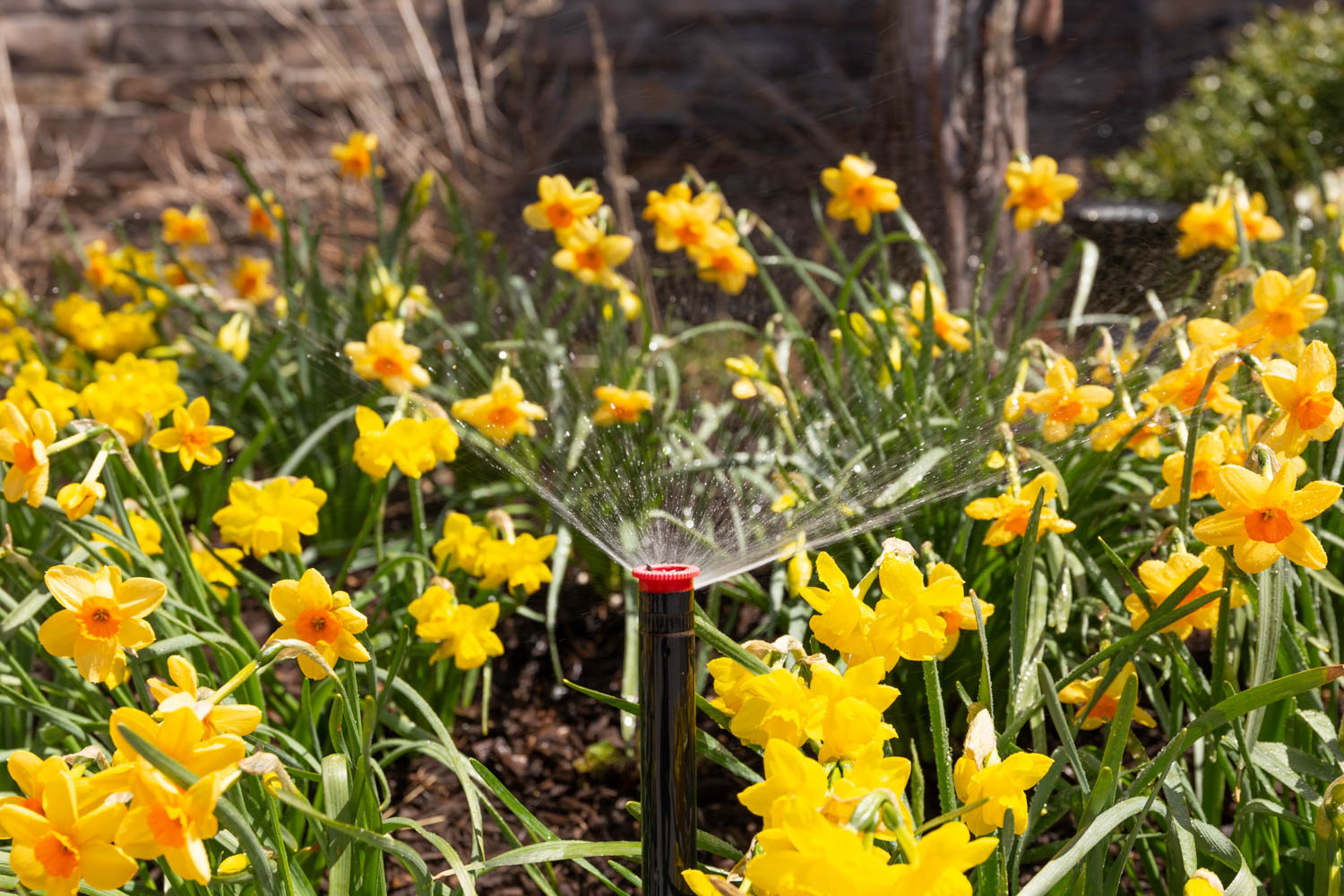
Spring has sprung, the weather is getting warmer, the grass is getting greener, and plants are beginning to bloom –
April 19, 2022
Understanding Different Types of Sprinkler Systems
There are several types of sprinkler systems available, each designed to meet specific irrigation needs. From traditional stationary systems to advanced drip irrigation setups, understanding these options can help property owners choose the most effective solution for their landscape.
For instance, stationary systems are ideal for small gardens, while automatic sprinkler systems offer convenience for larger areas. Drip irrigation is particularly beneficial for water conservation, delivering moisture directly to the plant roots, thus minimizing evaporation and runoff.
Common Sprinkler System Issues and Solutions
Like any mechanical system, sprinkler systems can encounter various issues that may affect their performance. Common problems include clogged nozzles, broken pipes, and faulty timers, all of which can lead to inefficient watering and increased water bills.
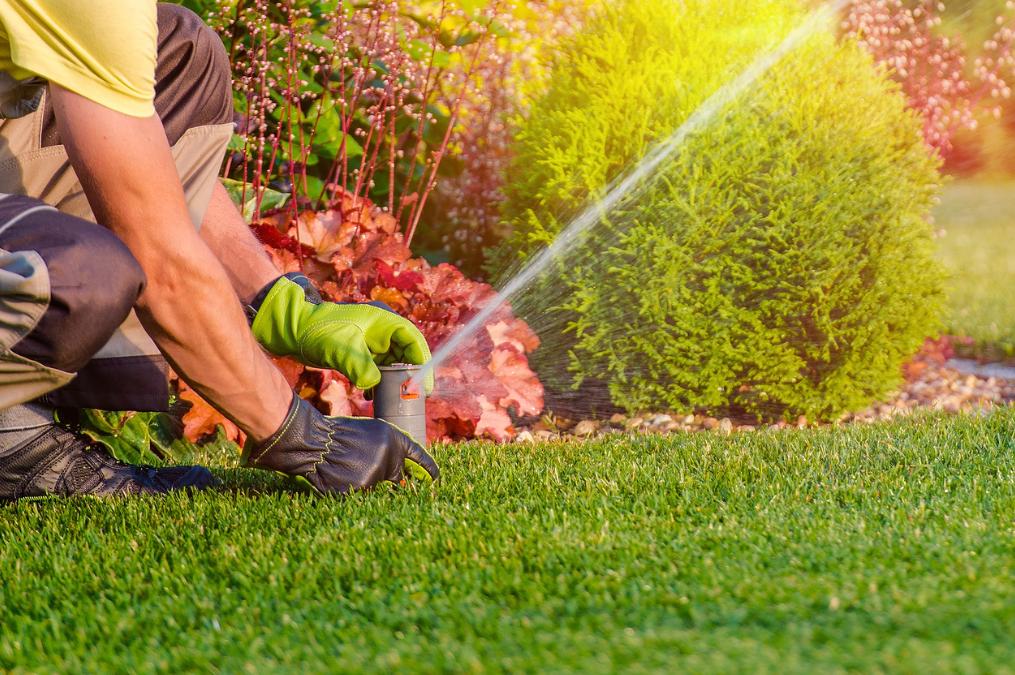
Regular maintenance and timely repairs can prevent these issues. For example, checking for clogs and ensuring the system is properly calibrated can significantly enhance efficiency. Moreover, understanding how to troubleshoot these common problems can empower homeowners to address minor issues before they escalate.
Seasonal Sprinkler System Maintenance Checklist
Maintaining a sprinkler system throughout the year is crucial for optimal performance. A seasonal maintenance checklist can help ensure that all components are functioning correctly and that the system is ready for changing weather conditions.
This checklist should include tasks such as inspecting the system before the watering season, checking for leaks after winter, and adjusting sprinkler heads for proper coverage. By following these guidelines, homeowners can extend the lifespan of their systems and ensure a lush, healthy lawn.
Choosing the Right Sprinkler System for Your Landscape
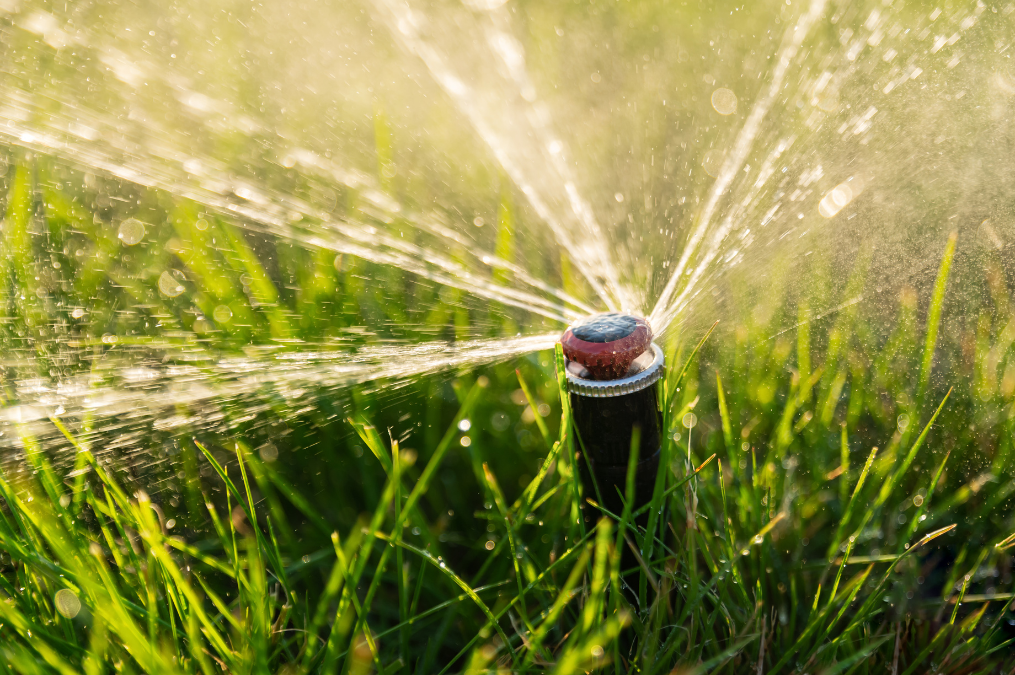
Selecting the appropriate sprinkler system is essential for effective irrigation and can depend on various factors such as landscape size, plant types, and water availability. Understanding these variables can guide property owners in making informed decisions.
For instance, a large lawn may benefit from a rotating sprinkler system that covers a wide area, while a garden with delicate plants might require a more precise drip system. Consulting with irrigation professionals can provide tailored recommendations based on specific landscape needs.
Understanding Different Types of Sprinkler Systems
There are several types of sprinkler systems available, each designed to meet specific irrigation needs. From traditional stationary systems to advanced drip irrigation setups, understanding these options can help property owners choose the most effective solution for their landscape.
For instance, stationary systems are ideal for small gardens, while automatic sprinkler systems offer convenience for larger areas. Drip irrigation is particularly beneficial for water conservation, delivering moisture directly to the plant roots, thus minimizing evaporation and runoff.
Common Sprinkler System Issues and Solutions
Like any mechanical system, sprinkler systems can encounter various issues that may affect their performance. Common problems include clogged nozzles, broken pipes, and faulty timers, all of which can lead to inefficient watering and increased water bills.
Regular maintenance and timely repairs can prevent these issues. For example, checking for clogs and ensuring the system is properly calibrated can significantly enhance efficiency. Moreover, understanding how to troubleshoot these common problems can empower homeowners to address minor issues before they escalate.
Seasonal Sprinkler System Maintenance Checklist
Maintaining a sprinkler system throughout the year is crucial for optimal performance. A seasonal maintenance checklist can help ensure that all components are functioning correctly and that the system is ready for changing weather conditions.
This checklist should include tasks such as inspecting the system before the watering season, checking for leaks after winter, and adjusting sprinkler heads for proper coverage. By following these guidelines, homeowners can extend the lifespan of their systems and ensure a lush, healthy lawn.
Choosing the Right Sprinkler System for Your Landscape
Selecting the appropriate sprinkler system is essential for effective irrigation and can depend on various factors such as landscape size, plant types, and water availability. Understanding these variables can guide property owners in making informed decisions.
For instance, a large lawn may benefit from a rotating sprinkler system that covers a wide area, while a garden with delicate plants might require a more precise drip system. Consulting with irrigation professionals can provide tailored recommendations based on specific landscape needs.